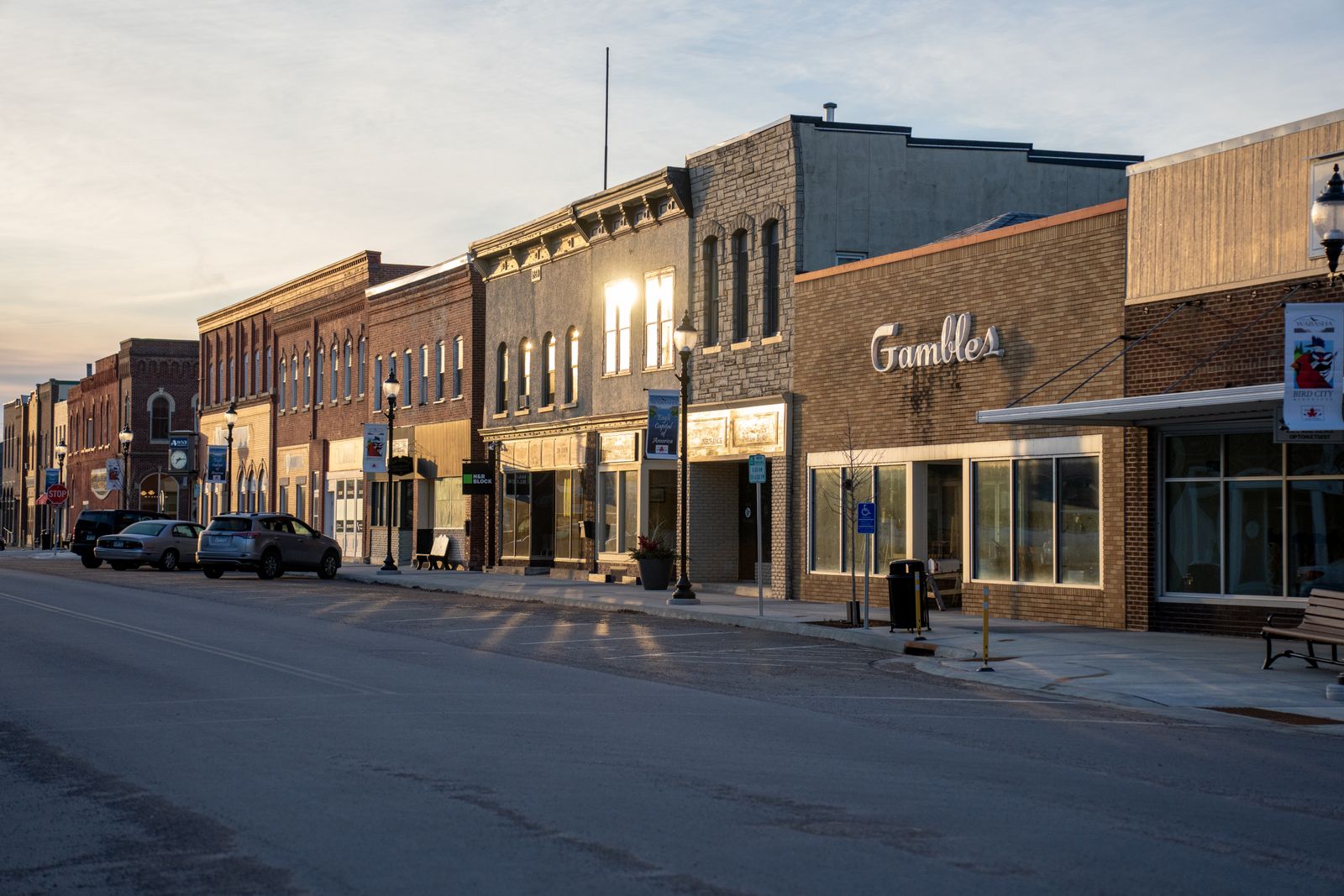
When a traveler books a weekend at a locally owned cabin instead of a distant chain, something quietly important happens to their money. A much larger share of it stays right there — paying the local cleaner, the propane supplier, the café where the guests grab breakfast, the hardware store that sold the owner the porch lumber. A well-run unique stay isn't just a good living; it's a small economic engine for the town around it. Here's the case, and why it's worth telling.
By Arthur Khan, Founder · Prairie Rose Solutions
Key Takeaways
- Money spent at local, independent businesses recirculates locally at far higher rates than money spent at chains.
- Studies of the local multiplier effect find roughly three times more local benefit from independents than from big-box competitors.
- Tourism is an export in reverse — it brings outside dollars into a rural community.
- A unique stay keeps a guest's spending close to home: the cleaner, the café, the supplier, the town.
The local multiplier effect, in plain English
Economists have a name for what happens when you spend at a locally owned business: the local multiplier effect. The idea is simple. A local owner spends a far larger share of their revenue locally — on local labor, local suppliers, local services — than a distant chain does, so each dollar gets re-spent inside the community several times before it leaves.
The research is striking. Summaries of multiple studies by the American Independent Business Alliance found that spending $100 at a local independent generated about $45 of further local activity, versus roughly $14 at a big-box chain — more than three times the local benefit. The Urban Institute likewise notes that locally owned small businesses recirculate more of their revenue in the community than large multinationals, fueling local development.
For a unique stay, that's not abstract. You hire the local cleaner, buy from the local lumberyard, recommend the local diner. The dollars stay close.
Tourism brings outside money in
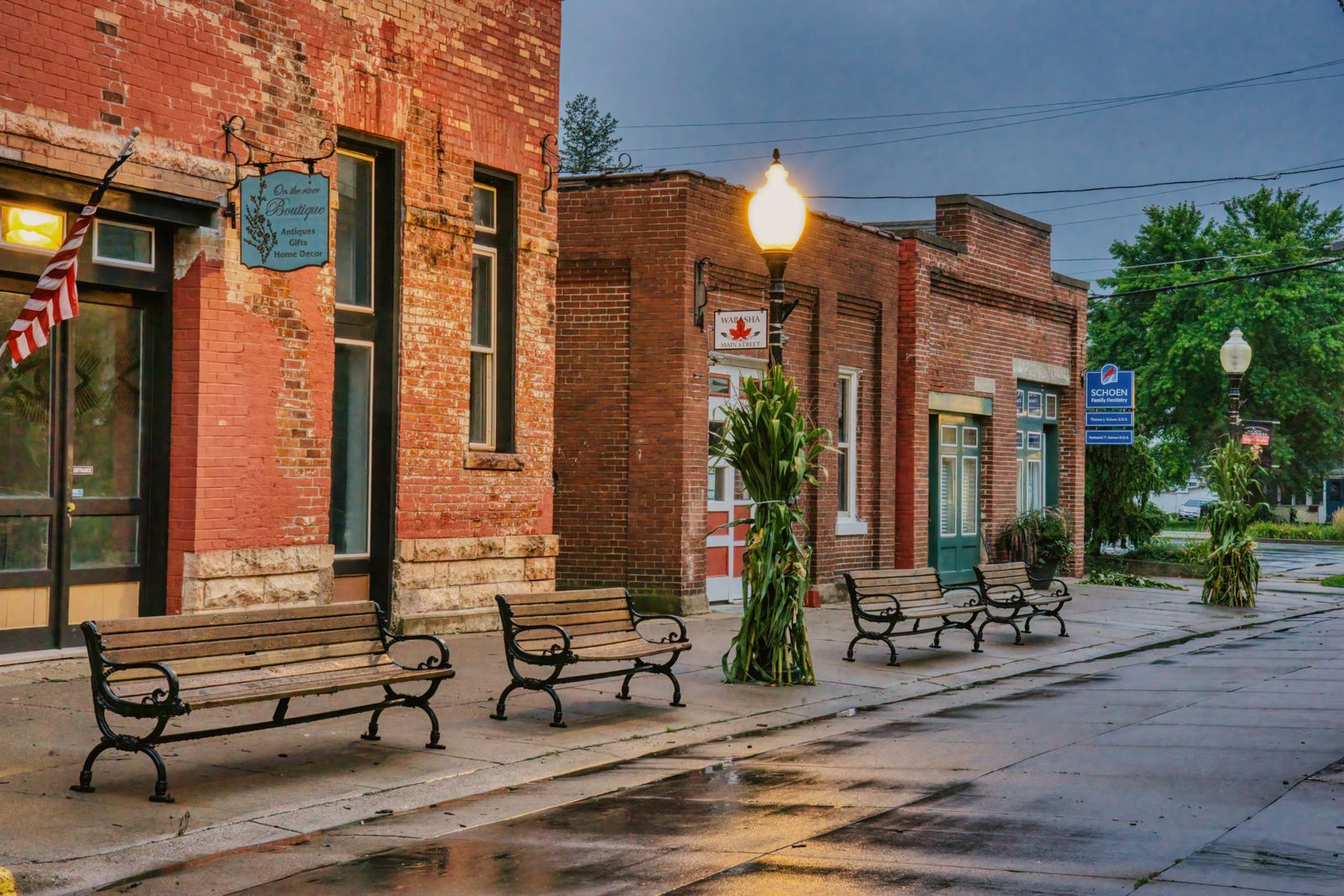
There's a second piece, and it's just as important. Most small-town businesses recirculate money that's already in the community. A unique stay does something rarer: it imports money. A guest from the city books your cabin, then spends the rest of their weekend in town — breakfast at the café, a growler from the brewery, gas at the station, a gift from the shop on Main Street.
That's outside money flowing into a rural economy that might not otherwise see it. In regional economics, tourism functions like an export: it brings in nonresident spending that supports local jobs and incomes. One well-run stay can quietly send a steady stream of visitors — and their wallets — into a town that needs them.
What this looks like in a town like Woodbine
Picture a single cabin booked 150 nights a year. Behind those bookings:
- A local cleaner with steady, reliable work between stays.
- A handful of local suppliers — propane, firewood, linens, repairs.
- A café, brewery, or shop seeing guests who'd never have come otherwise.
- Property and lodging taxes that help fund the town itself.
Multiply that across a few unique stays in a region and you have a real contributor to the rural economy — one rooted in the place, not extracting from it. That's the kind of growth we believe in.
Why this belongs in your story
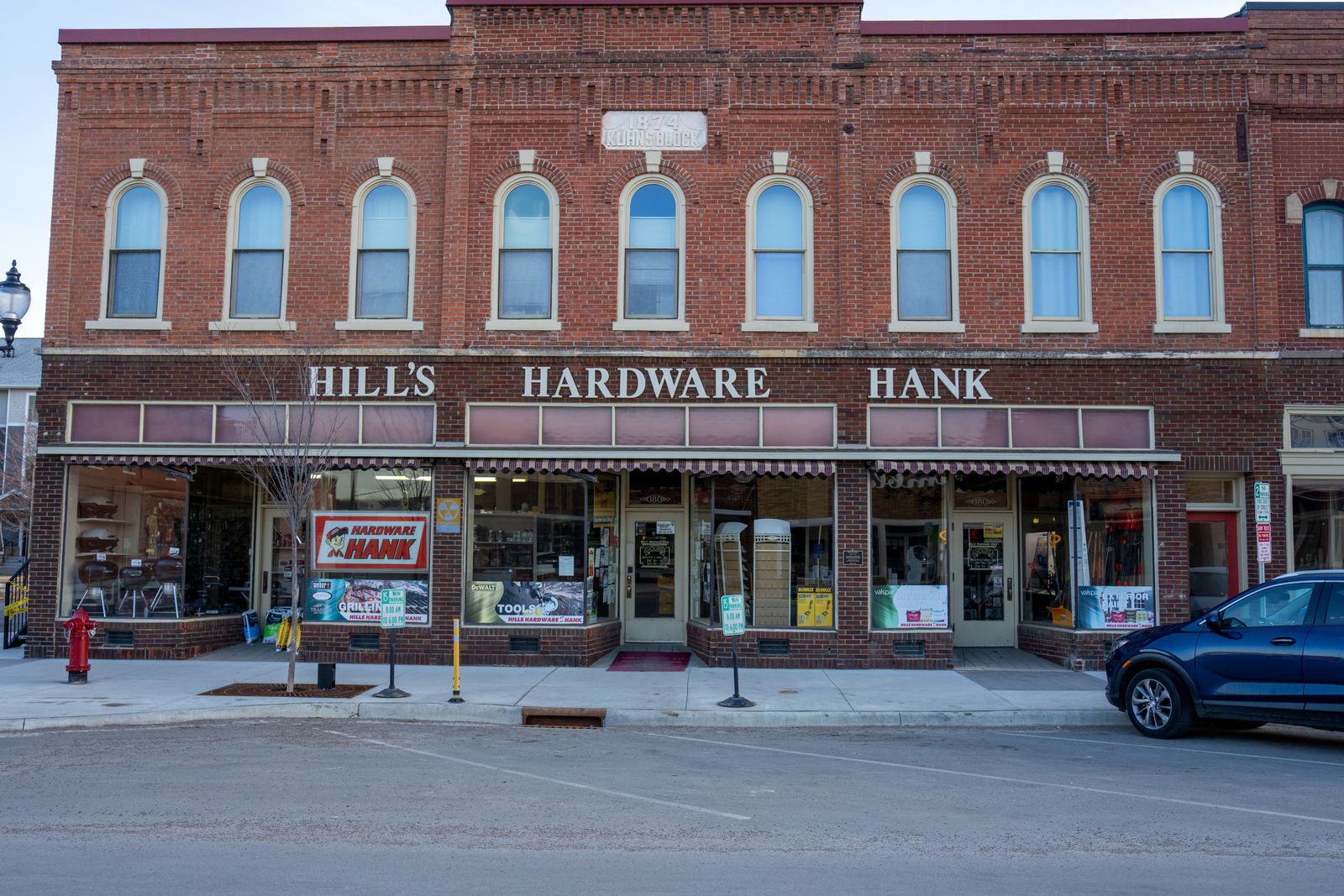
This isn't only an economics lesson — it's a marketing asset, and a values statement. A growing number of travelers want their money to mean something, and "your stay supports a real small town" is a genuine, differentiating reason to book. Tell it: on your About page, in your welcome materials, in the local recommendations you hand every guest.
It's the same belief that built Prairie Rose Solutions — helping rural entrepreneurs thrive so their local legacy flourishes for generations. A unique stay done well is exactly that mission in miniature.
More in this series
- How to Market & Grow a Glamping or Unique-Stay Business (the full playbook this guide is part of)
- Position Your Stay as an Affordable Staycation for Nearby Metros
Frequently Asked Questions
What is the local multiplier effect?
The local multiplier effect is the economic principle that money spent at locally owned, independent businesses recirculates within the community more than money spent at chains. Because local owners buy more local labor, supplies, and services, each dollar is re-spent several times nearby before leaving — studies have found roughly three times more local economic benefit from independents than from big-box competitors.
How does a vacation rental help the local economy?
A locally run stay helps in two ways. It recirculates money by hiring local cleaners and buying from local suppliers, and it imports outside money by drawing visitors who then spend on meals, fuel, and shops around town. It also generates lodging and property tax revenue. In effect, one well-run stay channels a steady stream of outside spending into a rural community.
Why does it matter where travelers book?
Where a traveler books determines how much of their money stays in the community they visit. Booking a locally owned, independent stay keeps far more of that spending circulating locally than booking through a distant chain, and it supports the small businesses, jobs, and tax base that keep a small town healthy.
Is "supporting local" actually a good marketing angle?
Yes. A growing number of travelers want their spending to have a positive impact, so a credible message that a stay supports a real small-town economy is a genuine, differentiating reason to book. Shared honestly on your About page and in your guest materials, it builds trust and sets you apart from anonymous chain lodging.
Arthur Khan
Founder, Prairie Rose Solutions
Arthur Khan founded Prairie Rose Solutions in Woodbine, Iowa to give rural entrepreneurs the same modern tools as big-city competitors — and to help small-town businesses keep their local legacy flourishing for generations to come.
Every locally owned stay is a small vote for the town around it. If you run a unique stay in rural Iowa or the Midwest, that story is worth telling — learn more about what we stand for.