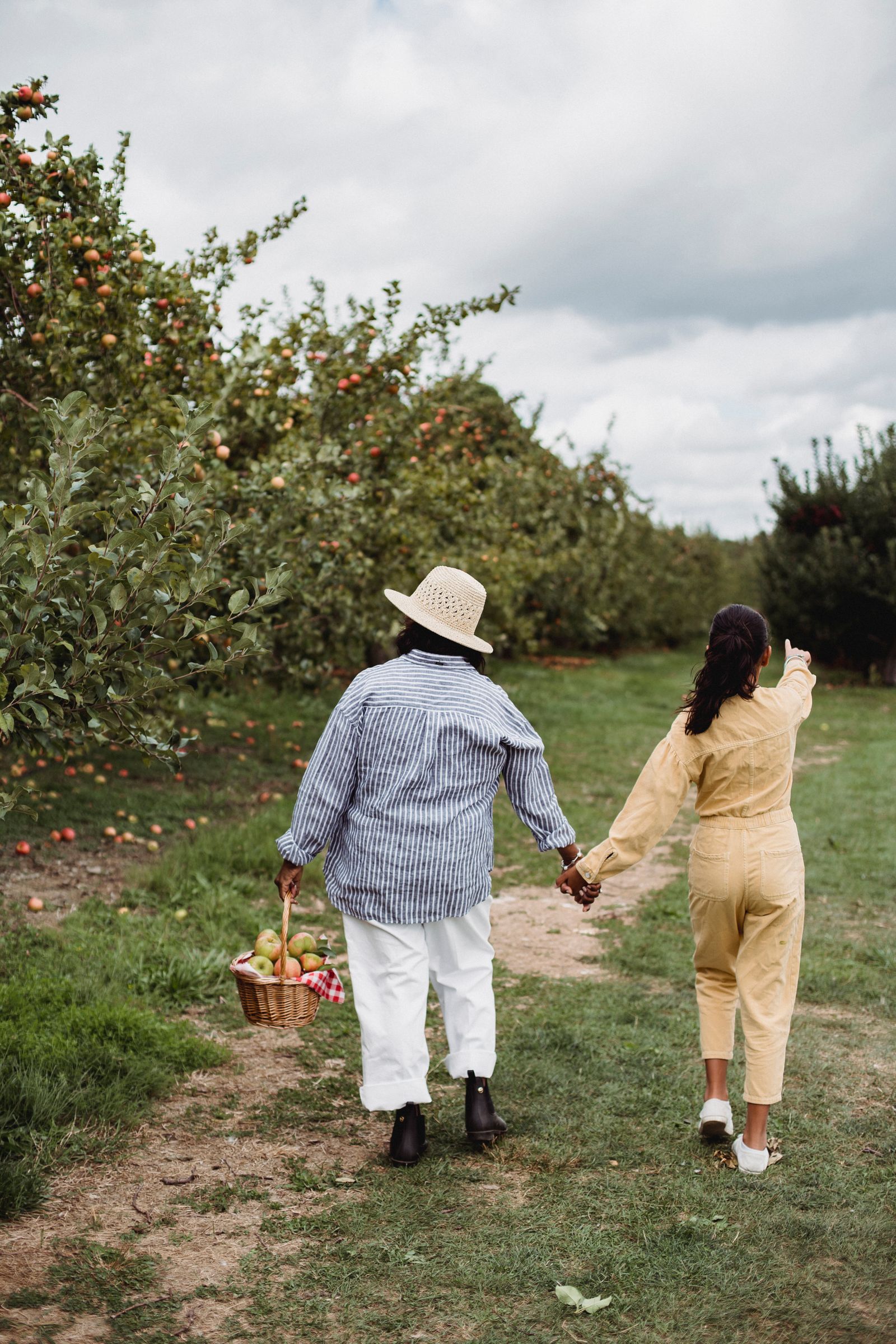
The family that fills your fields on a Saturday probably lives in the nearest city, and they almost certainly found you with a quick search — "apple orchard near me," "pumpkin patch near Des Moines," "things to do this weekend with kids." If your farm doesn't show up in those searches, you're invisible to exactly the people most likely to visit. This guide is about local SEO for farm experiences: how to get found by nearby, drive-to visitors and turn a phone search into a carload of guests.
By Arthur Khan, Founder · Prairie Rose Solutions
Key Takeaways
- Local search has huge intent: 76% of nearby phone searches lead to a visit within a day.
- Your Google Business Profile is the single biggest lever — it's what powers Maps and "near me" results.
- Identify your feeder cities (1–3 hours away) and build pages that name them and answer "things to do near [city]."
- Reviews, accurate hours, and real photos are what tip a searcher from "maybe" to "let's go."
Why local search is your highest-value channel
A local search is any query with "near me" or a place name behind it, and for a farm destination the intent is about as strong as intent gets. Google finds that 76% of people who search for something nearby on their smartphone visit a business within a day — these aren't idle browsers, they're families deciding where to spend Saturday. Show up, and you catch them at the exact moment of decision.
That's why nearby, drive-to visitors are the backbone of most agritourism operations, and why being easy to find from the closest cities matters more than reaching distant tourists. This is one spoke of the larger agritourism marketing playbook.
Step 1 — Own your Google Business Profile
For any local business, the Google Business Profile is the highest-leverage thing you control. It's the panel that shows your farm in Google Maps and in "near me" results, with your hours, directions, reviews, and photos. AI engines and search both lean on it heavily. To make it work:
- Claim and complete it fully — category, description, service area, season, and every field Google offers.
- Nail your hours (including seasonal open/close dates) so no one drives out to a closed gate.
- Add real, current photos — the farm, the experiences, families having fun.
- Gather reviews and reply to them; steady, recent reviews are a top ranking and trust signal.
Step 2 — Map your feeder cities
Draw rings around your farm at one, two, and three hours' drive. The cities inside are your feeder markets — where your visitors actually live. For a farm in western Iowa that might be Omaha, Des Moines, Lincoln, or Sioux City.
List them by size and distance. Those city names become the backbone of your content and your local targeting: you'll name them on your site, speak to them directly, and answer the questions their residents are typing.
Step 3 — Build pages that answer "things to do near [city]"
Ranking for nearby searches means having pages that genuinely match them. A few that work for farms:
- A "[Experience] near [City]" page for each big feeder metro — drive time, what to do while you're out, why it's the perfect family day trip from that city.
- A seasonal page for each draw (u-pick season, fall festival, sunflower weekend) with dates, tickets, and what to expect.
- A clear hours, directions, and admission page — the practical stuff searchers need before they commit.
Write the way visitors search: "weekend things to do near Omaha," "best apple orchard near Des Moines," "u-pick strawberries near me." Woven in naturally, those phrases are what connect a search to your gate.
Step 4 — Get the trust signals right
Ranking gets you seen; trust signals get you chosen. Make sure the details that decide a family's "yes" are all present and consistent: current reviews, accurate hours, clear pricing, real photos, and the same name, address, and phone number everywhere you appear online. Conflicting or missing info is what sends a searcher to the farm down the road instead.
Building this local-search footprint for your feeder cities — profile, pages, reviews, and all — is exactly what our SEO service does. Or book a quick consult and we'll map the metros worth targeting for your farm.
More in this series
- How to Market & Grow an Agritourism Business (the full playbook this guide is part of)
- Getting Your Farm Found in AI Search (GEO)
Frequently Asked Questions
How do I get my farm to show up in local search?
Start with a complete, claimed Google Business Profile — accurate category, hours (including seasonal dates), service area, real photos, and steady reviews — because it powers Maps and "near me" results. Then build pages on your site that name your nearby feeder cities and answer the exact questions visitors search, like "things to do near [city]" and "u-pick near me." Keep your name, address, and phone number consistent everywhere online.
What are feeder cities for an agritourism farm?
Feeder cities are the populated areas within an easy drive — usually one to three hours — that supply most of your visitors. Identifying them tells you which city names to target in your content and local search, so your marketing reaches the families most likely to actually make the trip.
How important are Google reviews for a farm business?
Very. Recent, positive reviews are one of the strongest signals for both ranking in local search and earning a visitor's trust at the moment of decision. Actively ask happy visitors to leave a review, keep them current across seasons, and reply to them — it directly influences whether a searcher chooses your farm over a competitor.
Should I target tourists or nearby local visitors?
For most farms, nearby drive-to visitors are the steadier, higher-value market because the trip needs no flights or overnight stay, which lowers the barrier to coming. Tourists are a bonus, but a strong base of local weekend and seasonal visitors fills your calendar far more reliably, so local search should be your first priority.
Arthur Khan
Founder, Prairie Rose Solutions
Arthur Khan founded Prairie Rose Solutions in Woodbine, Iowa to give rural entrepreneurs the same modern tools as big-city competitors — helping farms and agritourism operators get found, get booked, and bring visitors back season after season.
Want to own the search for "things to do near [your city]"? Prairie Rose Solutions builds local-search strategy for agritourism operators across Iowa and the rural Midwest. Book a free consult or take our quick client questionnaire, and we'll map the feeder metros worth targeting for your farm.