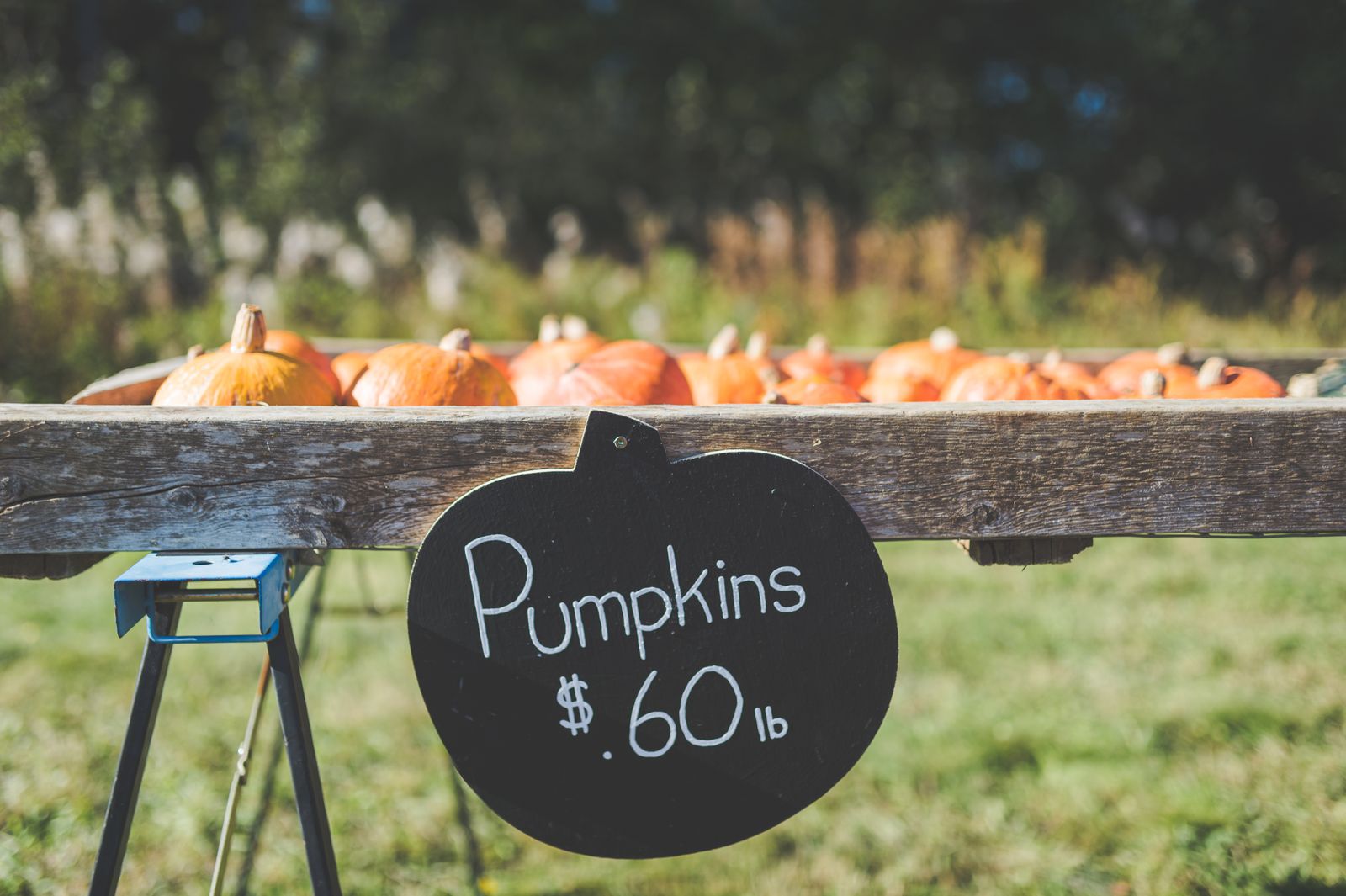
Pricing is where a lot of farm income quietly leaks away. Charge one flat rate all season and you undercharge on a perfect fall Saturday when demand is sky-high, and overcharge on a slow Tuesday when a lower price would have filled the lot. Good pricing isn't about being the cheapest or the most expensive — it's about matching your price to demand and to the value of each experience. This guide covers how to price admission, add-on experiences, and u-pick so every visit is worth more.
By Arthur Khan, Founder · Prairie Rose Solutions
Key Takeaways
- A flat price loses money both ways — too low at peak, too high in the slow times.
- Price should follow demand: research links demand-based pricing to higher revenue.
- Separate your pricing into admission, paid experiences, and u-pick — each has its own logic.
- Bundles, timed tickets, and peak/off-peak rates let you raise revenue without feeling like a rip-off.
Why one flat price costs you money
The instinct to keep pricing simple is understandable, but a single flat rate ignores the two things that should drive it: how much demand there is and how much value you're delivering. A peak October Saturday and a quiet March weekday are not the same product, and pricing them the same means leaving money on the table in one and empty spots in the other.
Matching price to demand is called revenue management, and the evidence that it works is strong: studies of visitor-experience businesses find that demand-based (dynamic) pricing raises revenue compared with a single flat rate. You capture more when demand is high and stay attractive when it's soft — from the same farm, with no extra marketing. Pricing sits inside the broader agritourism marketing playbook: once the visitors come, smart pricing makes each one worth more.
Split your pricing into three buckets
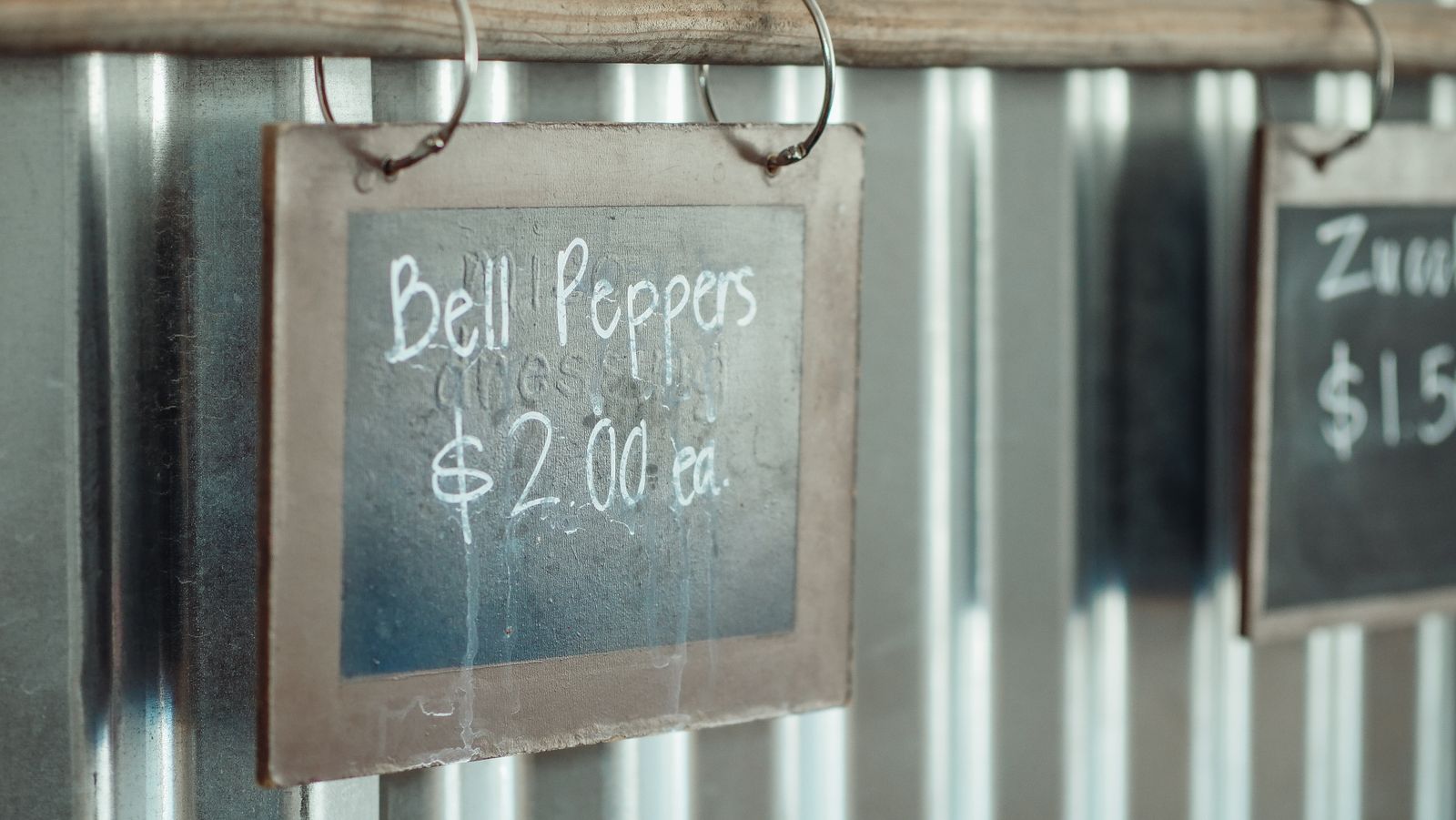
Most farms lump everything into "admission." It pays to think in three layers:
1. Admission / gate
Your base price to get in and enjoy the free attractions. This is where peak vs. off-peak matters most: a higher weekend and peak-season rate, a lower midweek and shoulder-season rate, and timed-entry tickets on your busiest days to both smooth crowds and capture premium demand.
2. Paid experiences
The add-ons visitors happily pay extra for: the hayride, the corn maze, the tasting, the workshop, the farm dinner. Price these to the value and scarcity of the experience, not the cost of running it — a limited-seat farm-to-table dinner commands far more than a flat "per person" logic suggests.
3. U-pick and product
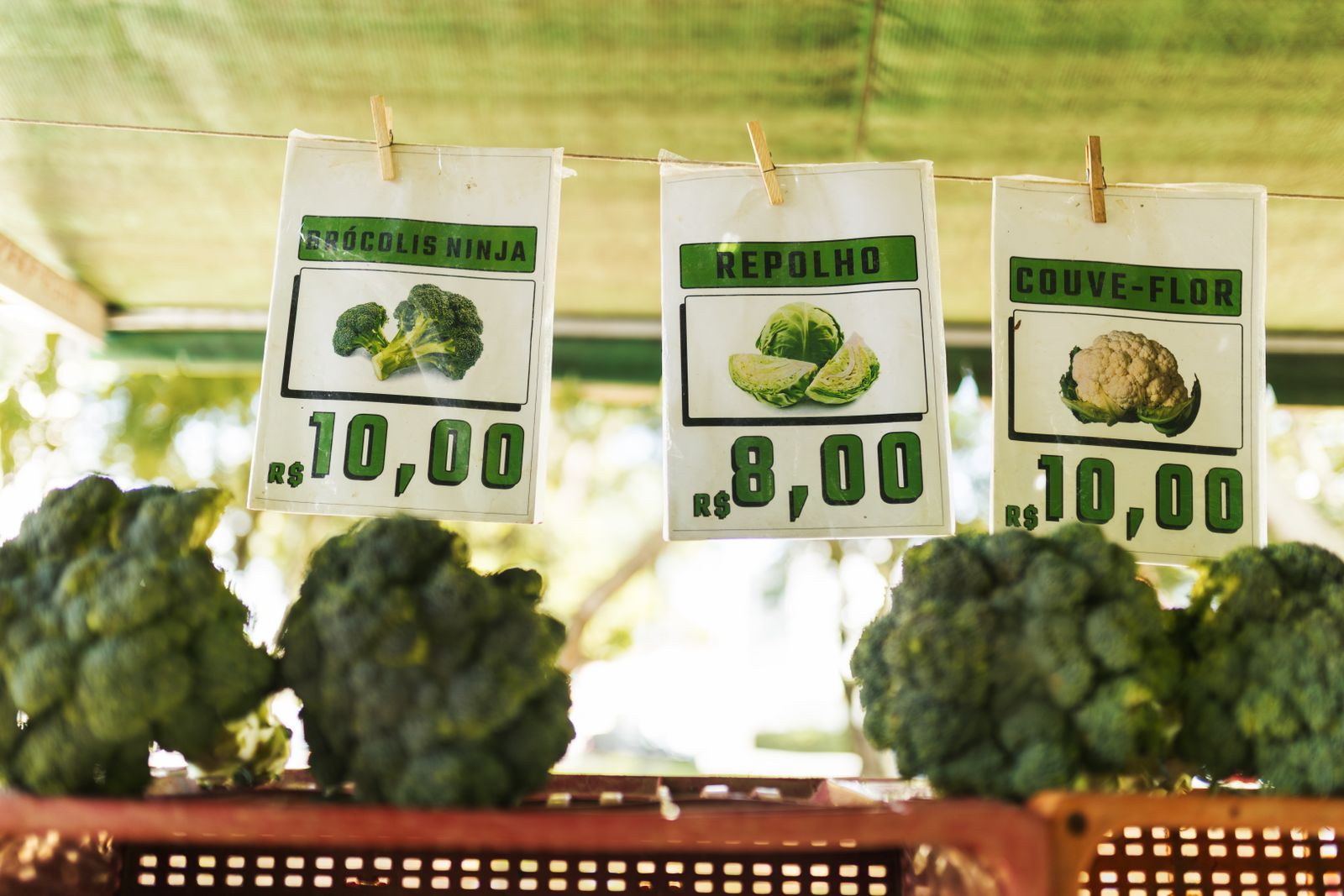
Pick-your-own and farm-stand goods have their own logic: by-the-pound or by-the-container, with a minimum, and often a small "experience premium" over grocery prices because the picking is the point. Clear, visible signage prevents confusion at the point of sale.
Raise revenue without feeling like a rip-off
The art is lifting your average spend while visitors still feel they got great value. A few reliable moves:
- Bundles. A family pass or an "admission + hayride + cider" combo raises spend and feels like a deal.
- Peak / off-peak rates. Reward midweek and shoulder-season visits with a lower price; charge appropriately for the perfect Saturday.
- Advance-purchase pricing. A small online discount for buying ahead smooths your day and locks in the sale.
- Members / season passes. Great for u-pick regulars and locals, and a powerful reason to join your email list.
Setting up peak/off-peak and advance pricing — and automating it through your booking and ticketing — is exactly the kind of system we put in place. See CRM & automation, or book a quick consult to design a pricing setup that fits your farm.
More in this series
- How to Market & Grow an Agritourism Business (the full playbook this guide is part of)
- Seasonal Events & Programming That Fill the Calendar
Frequently Asked Questions
How should I price admission to my farm?
Price admission to demand rather than using one flat rate all season: charge a higher rate on peak weekends and in your busy season, a lower rate midweek and in shoulder seasons, and use timed-entry tickets on your busiest days to both manage crowds and capture premium demand. Demand-based pricing consistently raises revenue compared with a single flat price.
How do I price u-pick?
U-pick is usually priced by the pound or by the container, often with a minimum and a small premium over grocery prices, because the experience of picking is part of what visitors are paying for. Keep signage clear and visible at the point of sale, and consider a season pass or members option for repeat local pickers.
What is the best way to increase revenue per visitor?
Lift average spend while preserving a sense of value: offer bundles (a family pass or admission-plus-experience combo), price add-on experiences like hayrides and dinners to their value and scarcity, use peak/off-peak rates, and reward advance online purchase with a small discount. These raise revenue without making visitors feel overcharged.
Should farm prices change with the season?
Yes. Demand for a farm swings sharply by season and even day of week, so prices should follow — higher on peak fall weekends, lower in quiet stretches. Aligning price with demand captures more revenue at the top and keeps your calendar fuller during slower periods.
Arthur Khan
Founder, Prairie Rose Solutions
Arthur Khan founded Prairie Rose Solutions in Woodbine, Iowa to give rural entrepreneurs the same modern tools as big-city competitors — helping farms and agritourism operators get found, get booked, and bring visitors back season after season.
Want your prices to work as hard as you do? Prairie Rose Solutions helps agritourism operators across Iowa and the rural Midwest set up demand-based pricing and automate it through their booking system. Book a free consult or take our quick client questionnaire, and we'll design a pricing plan that captures more from every visit.