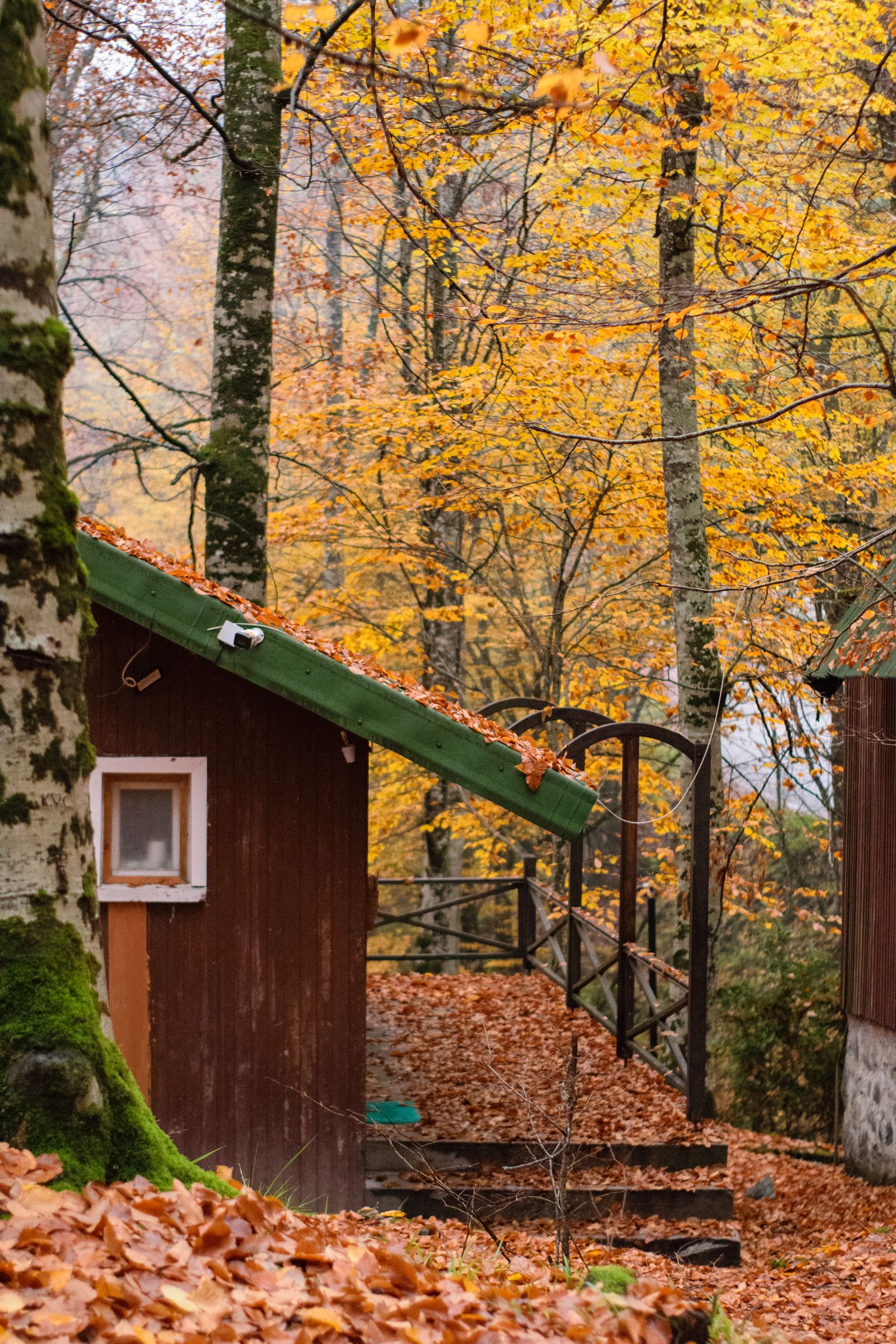
Most unique-stay operators set a nightly rate once and rarely touch it. That single number quietly costs them twice: it's too low when demand spikes — a peak-season weekend you could have sold for far more — and too high when it's quiet, leaving nights empty that a smarter price would have filled. Seasonal and dynamic pricing fixes both. This guide explains how unique stays should really be priced, and how to automate it so you're not changing rates by hand every week.
By Arthur Khan, Founder · Prairie Rose Solutions
Key Takeaways
- A flat rate loses money both ways — too cheap in peak demand, too expensive in the shoulder season.
- Seasonal pricing sets your baseline by time of year; dynamic pricing adjusts daily for demand, day-of-week, and local events.
- Research and industry data link dynamic pricing to meaningfully higher revenue than a static rate.
- Set the strategy once, then automate it — so your calendar prices itself.
Why unique stays aren't priced like hotel rooms
A hotel has hundreds of near-identical rooms and a whole revenue team. You have one (or a few) one-of-a-kind stays and a to-do list. But the principle that runs hotel pricing applies just as much to you: price should follow demand. And for a unique stay, demand swings hard — peak foliage weekends, summer holidays, a local festival, even Friday-and-Saturday versus a random Tuesday.
A flat rate ignores all of that. Pricing that moves with demand is called revenue management, and the evidence that it works is strong: a peer-reviewed study of thousands of listings found that dynamic pricing increased host revenues compared with flat pricing, and pricing tools report that done right, dynamic pricing typically lifts rental revenue by 10–40% versus a static rate. That's revenue you capture from the same property, with no new marketing.
Pricing sits inside the broader glamping marketing playbook — once the bookings come in, smart pricing makes each one worth more.
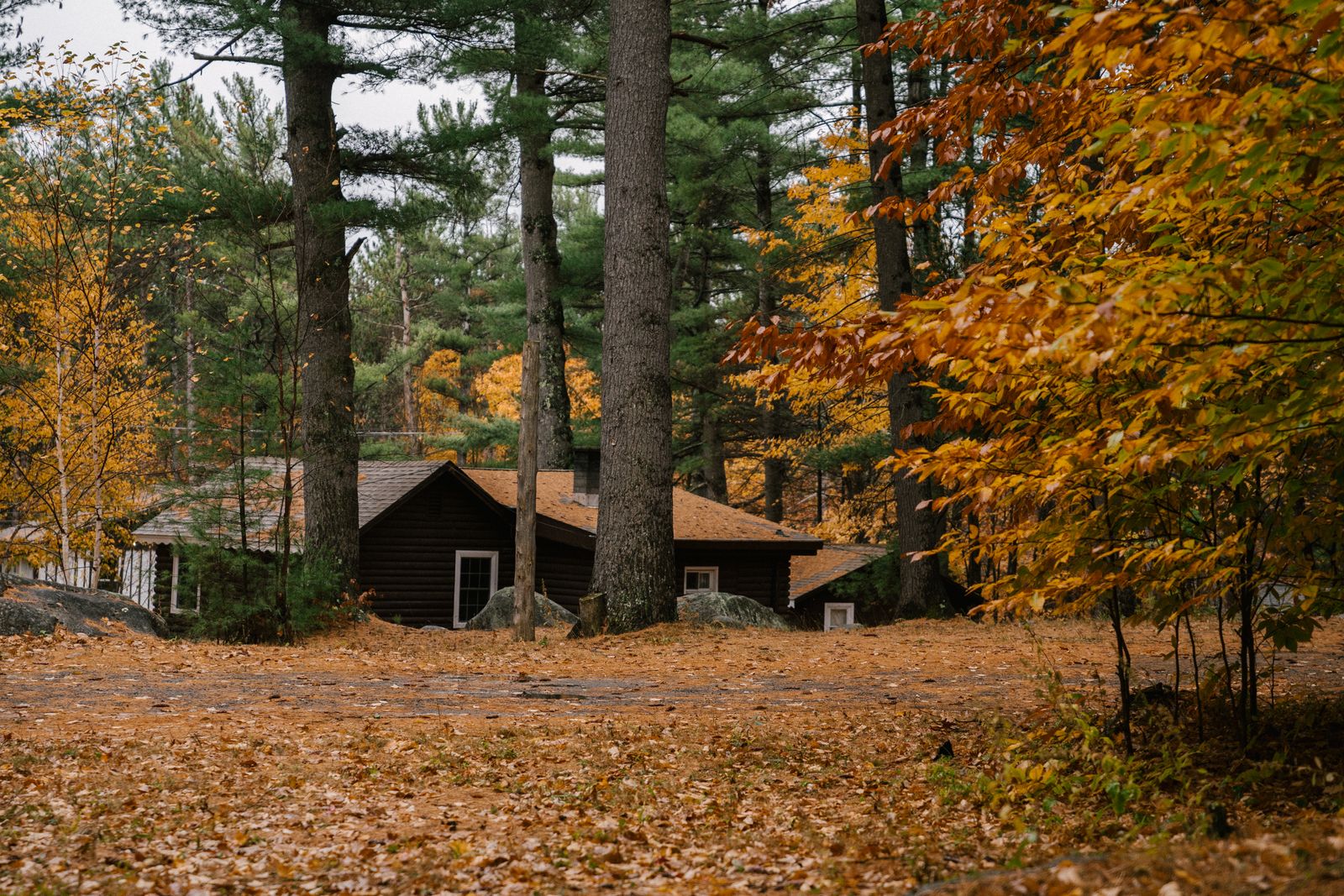
Seasonal pricing: set your baseline by the calendar
Start with the big strokes. Map your year into pricing tiers:
- Peak season — your highest-demand stretches (fall color, summer holidays, festival weekends). Your top rates, longer minimum stays.
- Shoulder season — the in-between months. Moderate rates designed to keep occupancy healthy.
- Off season — your quiet stretch. Lower rates, midweek deals, and value framing to win the trips that still happen.
This seasonal baseline is the foundation. It ensures you're never charging a January rate on a peak October weekend.
Dynamic pricing: adjust for what's actually happening
On top of the seasonal baseline, dynamic pricing fine-tunes the day-to-day. It nudges your rate up or down based on signals a flat price ignores:
- Day of week — weekends almost always command more than midweek.
- Local events — a concert, a game, a festival nearby can justify premium rates.
- Booking pace — filling up fast for a date? Raise it. Still empty as it approaches? A lower rate beats an empty night.
- Lead time — last-minute and far-out bookings often warrant different prices.

Set it once, then automate it
Here's the catch: doing this by hand means watching demand, events, and your calendar every single day — which no owner-operator has time for. The answer is automation. Dynamic-pricing tools and a connected booking system adjust your rates automatically within rules you set, so your calendar prices itself: peak weekends climb, quiet midweek nights get a nudge down to fill, and you stay in control of the floor and ceiling.
Setting up automated pricing and wiring it into your booking flow is exactly the kind of system we put in place. See CRM & automation, or book a quick consult and we'll talk through a pricing setup that fits your stay.
More in this series
- How to Market & Grow a Glamping or Unique-Stay Business (the full playbook this guide is part of)
- Build a Guest Email List to Re-Book Direct
Frequently Asked Questions
What is dynamic pricing for a vacation rental?
Dynamic pricing is the practice of adjusting your nightly rate automatically based on real-time demand signals — day of week, season, local events, how fast a date is booking, and lead time — instead of charging a single flat rate year-round. The goal is to charge more when demand is high and stay competitive when it's soft, capturing more revenue from the same property.
Does dynamic pricing actually make more money?
Evidence points to yes. A peer-reviewed study of thousands of listings found dynamic pricing increased host revenue versus flat pricing, and pricing platforms commonly report revenue gains in the range of 10–40% when it's implemented well. The gains come from charging more during peak demand and improving occupancy in slower periods.
How is seasonal pricing different from dynamic pricing?
Seasonal pricing sets your baseline rates by time of year — peak, shoulder, and off-season tiers — while dynamic pricing fine-tunes those rates day by day for demand, day of week, and events. They work together: seasonal pricing is the foundation, and dynamic pricing adjusts on top of it.
Do I have to change my prices manually every day?
No — that's what automation is for. Dynamic-pricing tools connected to your booking system adjust rates within rules you set (including a minimum and maximum), so peak dates rise and quiet nights get nudged down without daily effort on your part. You set the strategy once and stay in control of the limits.
Arthur Khan
Founder, Prairie Rose Solutions
Arthur Khan founded Prairie Rose Solutions in Woodbine, Iowa to give rural entrepreneurs the same modern tools as big-city competitors — helping glamping and unique-stay operators own their bookings, get found in search and AI, and bring guests back.
Want your calendar to price itself? Prairie Rose Solutions sets up automated, demand-based pricing for glamping and unique-stay operators across Iowa and the rural Midwest. Book a free consult or take our quick client questionnaire, and we'll design a pricing system that captures more from every booking.