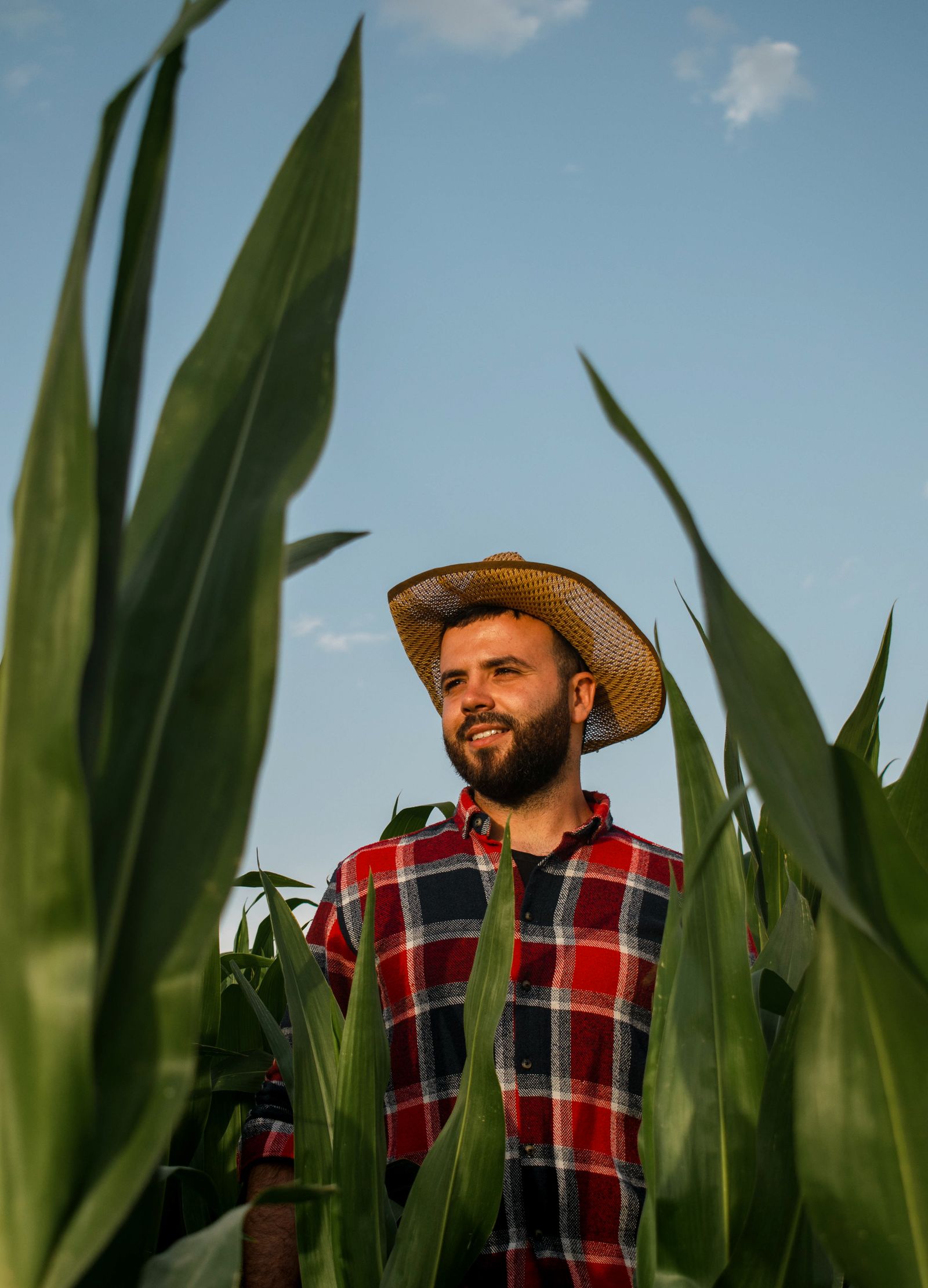
Commodity prices swing, input costs climb, and a single bad season can undo a good one. More and more farmers are answering that pressure the same way: by opening the gate to visitors. Agritourism — welcoming the public onto your farm for experiences, events, and direct sales — turns land and seasons you already have into a new, diversified income stream. If you've wondered whether it's worth it for your operation, this getting-started guide covers what agritourism is, whether it pays, and the first practical steps.
By Arthur Khan, Founder · Prairie Rose Solutions
Key Takeaways
- Agritourism diversifies farm income — turning land, seasons, and skills you already have into new revenue.
- It's a growing opportunity: U.S. farm agritourism income has risen sharply in recent years.
- Start small and low-risk — one experience, one season — and build from what visitors respond to.
- The winners treat it as a real business: marketed, bookable, priced, and insured properly.
What agritourism is (and why farmers are adding it)
Agritourism is any income a farm earns by inviting the public on-site: u-pick, tours, farm stays, festivals, tastings, classes, farm-to-table dinners, and farm-stand sales. Instead of selling only a commodity into a volatile market, you sell an experience directly to a customer at retail value.
The appeal is diversification. A farm that adds agritourism spreads its income across more sources and more of the calendar, cushioning the ups and downs of any single crop or market. And it's a rising tide: U.S. farms have seen agritourism income climb sharply, with average per-operation revenue up about a third since 2017, driven by travelers who want hands-on rural experiences. Demand is real and growing — the question is how to tap it.
Is agritourism profitable?
It can be — but "it depends" is the honest answer. Agritourism rewards operators who treat it as a business, not a hobby. Profitability comes down to a few things:
- The right offer for your land and location — what you can uniquely do, and who's within a drive.
- Marketing — being found by nearby visitors and getting bookings (the rest of this series is about exactly that).
- Operations — pricing to demand, running events, and keeping costs in line.
- Compliance — the right insurance, permits, and safety practices so one incident doesn't sink you.
Get those right and agritourism can become one of the more profitable acres on the farm. Get them wrong and it's a lot of work for thin margins — which is why starting small and deliberate matters.
How to start: small, low-risk, and built to grow
You don't open a full destination in year one. Start with a single, manageable experience and learn:
- Pick one offer that fits your farm and season — a u-pick weekend, a fall pumpkin patch, a farm stand, a single ticketed event.
- Sort the essentials — liability insurance, parking and restrooms, basic safety, and any local permits. Do this before you invite anyone.
- Make it findable and bookable — a simple web presence, a complete Google Business Profile, and a way to buy or reserve online.
- Run it, then listen. What did visitors love? What did they ask for? Expand toward what works.
From there, the growth path is the rest of this cluster: get found by nearby visitors, take direct bookings and sell tickets, program events, and bring visitors back. If you also have space for overnight guests, farm stays are their own opportunity — see our glamping & unique-stay playbook.
Not sure where your farm's best opportunity is? That's exactly the kind of thing we help operators figure out — see our services, or book a consult and we'll talk through a first step that fits your land and goals.
More in this series
- How to Market & Grow an Agritourism Business (the full playbook this guide is part of)
- Get Found by Nearby City Visitors (Local SEO for Farm Experiences)
Frequently Asked Questions
How do I start an agritourism business on my farm?
Start small with one manageable offer that fits your land and season — a u-pick weekend, a pumpkin patch, a farm stand, or a single ticketed event. Sort the essentials first (liability insurance, parking, restrooms, safety, and local permits), then make the experience easy to find and book online with a simple website and a complete Google Business Profile. Run it, learn what visitors respond to, and expand toward what works.
Is agritourism profitable for a small farm?
It can be, and it's a growing field, with U.S. farm agritourism income rising sharply in recent years. Profitability depends on choosing the right offer for your location, marketing yourself so nearby visitors find and book you, pricing to demand, running events well, and keeping costs and liability in check. Farms that treat it as a real business, not a side hobby, are the ones that see meaningful income.
What are the first steps and requirements to open my farm to visitors?
Before inviting the public, handle the basics: appropriate liability insurance, safe parking and restroom facilities, clear safety practices, and any permits your county or state requires for on-farm visitors, food sales, or events. Then set up a simple way to be found and booked online. Starting with one small, well-run experience keeps your risk and investment low while you learn.
What kinds of agritourism can I add to my farm?
Common options include u-pick and farm stands, seasonal festivals (pumpkin patch, harvest, holiday lights), tours and educational visits, tastings and farm-to-table dinners, classes and workshops, group and school visits, and — if you have space — overnight farm stays. Pick one that fits your land, season, and the market within a drive, then build from there.
Arthur Khan
Founder, Prairie Rose Solutions
Arthur Khan founded Prairie Rose Solutions in Woodbine, Iowa to give rural entrepreneurs the same modern tools as big-city competitors — helping farms and agritourism operators get found, get booked, and bring visitors back season after season.
Thinking about opening your farm to visitors? Prairie Rose Solutions helps farmers across Iowa and the rural Midwest launch and grow agritourism — from the first experience to a full season. Book a free consult or take our quick client questionnaire, and we'll help you map a low-risk first step for your farm.